
How Sleep Apnea Is Linked to Oral Health
How Sleep Apnea & Oral Health Are Linked Together
Many people struggle to get a good night’s rest due to disrupted breathing. Obstructive sleep apnea occurs when the airway becomes blocked during sleep, causing pauses in breathing that lead to loud snoring and daytime fatigue. Many individuals seek out medical doctors for a diagnosis, entirely unaware that their dentist might be the first person to spot the problem. Your mouth provides vital clues about your overall well-being, and sleep-disordered breathing is no exception. A trained dental professional examines your teeth, gums, and jaw alignment regularly. During these routine checkups, they often notice subtle changes that point directly to nighttime breathing issues. Understanding the relationship between your breathing habits and your smile can help you protect your teeth while finally getting the rest you deserve. By recognizing the early warning signs, you can seek proper treatment before serious damage occurs to your teeth or your overall health. Learn more below about how sleep apnea is linked to oral health.
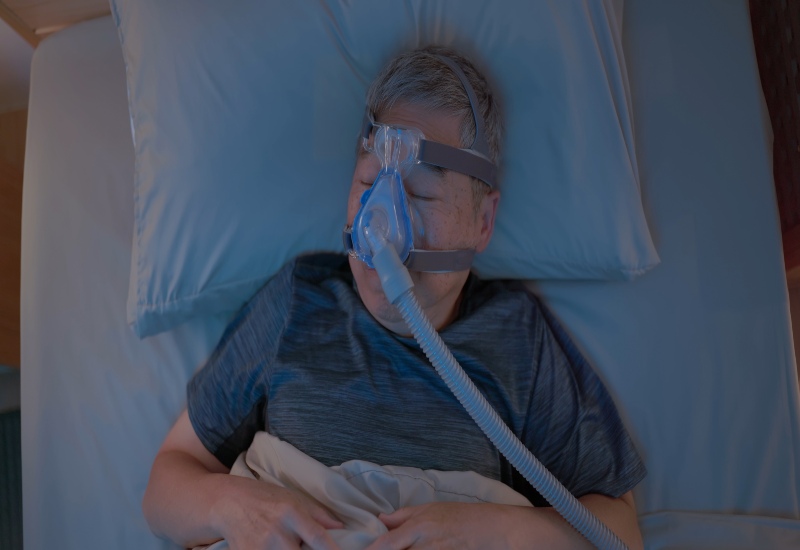
Understanding the Connection: Sleep Apnea and Oral Health
The relationship between sleep apnea and oral health is a two-way street. When your airway collapses at night, your body naturally gasps for air. This struggle to breathe forces you to open your mouth, leading to a severe decrease in saliva production. Saliva plays a primary role in washing away food particles and neutralizing harmful acids produced by bacteria in your mouth. Without enough saliva, your mouth becomes a prime breeding ground for bacteria. This dry environment accelerates tooth decay and increases your risk of developing infections. The physical structure of your mouth, such as a narrow palate or a recessed jaw, can contribute to sleep apnea by leaving less room for your tongue and restricting your airway.
Dental Signs of Sleep Apnea You Shouldn’t Ignore
Because you are asleep when breathing pauses occur, you might not realize you have a problem. However, your dentist can identify several clinical indicators during a standard examination that suggest your airway is being compromised. Key dental signs of sleep apnea include:
- Scalloped Tongue or Small Jaw: A restricted airway often forces the tongue to push against the teeth, creating distinct indentations or “scalloping” along its edges.
- Chronic Dry Mouth: Consistently waking up with a “cotton-mouth” sensation typically indicates mouth breathing used to compensate for blocked nasal passages.
- Inflamed Gums and Increased Cavities: Persistent dry mouth reduces saliva flow, leading to red, irritated gum tissue and a sudden spike in tooth decay.
Oral Health Complications From Sleep Apnea
Leaving breathing issues untreated takes a heavy toll on your mouth over time. The persistent lack of moisture, combined with the physical stress placed on your jaw, can lead to severe oral health complications from sleep apnea.
Sleep Apnea and Gum Disease
Gum disease involves the inflammation and infection of the tissues supporting your teeth. There is a strong link between sleep apnea and gum disease. Dry mouth from mouth breathing allows plaque-forming bacteria to thrive. As these bacteria multiply, they attack the gums, making them red, swollen, and prone to bleeding. Sleep apnea deprives your body of oxygen and triggers a systemic inflammatory response. This inflammation makes it harder for your immune system to fight off gum infections. Over time, untreated gum disease can cause receding gums, bone loss, and eventually tooth loss.
Sleep Apnea and Teeth Grinding (Bruxism)
If you wake up with a sore jaw or dull headaches, you might be grinding your teeth in your sleep. The link between sleep apnea and teeth grinding is highly documented. When your airway becomes blocked, your brain sends a panic signal to your body, waking you and prompting you to breathe. In response, the muscles in your jaw aggressively contract to thrust the lower jaw forward and open the airway. This automatic survival mechanism causes intense grinding and clenching. Over time, bruxism wears down the protective enamel on your teeth, leading to sensitivity, chips, and cracks. It also puts immense strain on your temporomandibular joint (TMJ), which can cause chronic facial pain and difficulty chewing.
How Dentistry Helps With Sleep Apnea Treatment
While a sleep physician officially diagnoses breathing disorders, your dentist plays an essential role in managing the condition. Modern sleep apnea treatment dentistry focuses on non-invasive therapies that keep the airway open, protect the teeth, and enhance your overall quality of life. Dentists trained in dental sleep medicine can evaluate your oral anatomy to determine if a structural issue is contributing to your breathing problems. They work closely with medical doctors to provide alternative therapies for patients who cannot tolerate CPAP.
Dental Devices for Sleep Apnea
For many patients with mild to moderate obstructive sleep apnea, oral appliance therapy is a highly effective solution. Custom-fitted dental devices for sleep apnea look similar to a sports mouthguard or an orthodontic retainer. These devices work by gently shifting the lower jaw forward. This slight repositioning prevents the soft tissues at the back of the throat from collapsing and hindering the airway. Unlike bulky CPAP machines, dental appliances are comfortable, silent, and easy to travel with. They also serve a dual purpose by creating a protective barrier between your upper and lower teeth, helping prevent damage from nighttime grinding.
Why Choose Us?
At Walnut Creek Dental, we understand that a healthy smile and a good night’s sleep go hand in hand. Our team takes a comprehensive approach to your dental care. We evaluate your overall oral function and look for the underlying causes of your dental issues. We also utilize state-of-the-art technology to detect the early signs of sleep-disordered breathing. If we suspect an issue, we will guide you through the process of getting a proper medical diagnosis and provide top-tier, custom-fitted oral appliances to protect your smile and restore your rest.
Take Control of Your Sleep and Smile Today
You do not have to live with daytime exhaustion, chronic dry mouth, or jaw pain. By recognizing the warning signs early, you can protect your teeth from irreversible damage and significantly improve your quality of life. If you suspect your breathing is impacting your smile, our compassionate team is here to help. Contact us in Millersburg, OH, today to schedule a comprehensive evaluation and take the first step toward better sleep and healthier teeth.
Frequently Asked Questions
Many patients are surprised to discover that symptoms like morning headaches or worn-down enamel are frequently linked to underlying conditions such as sleep apnea or mouth breathing. To help you better understand these connections and the dental treatments available, we have compiled answers to the most common questions regarding the intersection of airway health and restorative dentistry.
Can A Dentist Diagnose Sleep Apnea?
A dentist cannot officially diagnose sleep apnea. However, they are often the first to recognize the physical signs, such as worn tooth enamel, scalloped tongue, and narrow airways. Your dentist will refer you to a sleep specialist for an official diagnosis and a sleep study.
Is A CPAP Machine the Only Way to Treat Sleep Apnea?
No. While CPAP therapy is the gold standard for severe cases, mild to moderate sleep apnea can often be treated effectively with custom oral appliances provided by your dentist.
How Do I Know If I Grind My Teeth at Night?
Common signs of nighttime teeth grinding include waking up with a dull headache, a sore jaw, tooth sensitivity, or visibly flattened and worn-down teeth. Your dentist can easily spot the signs of bruxism during a routine exam.
Does Insurance Cover Dental Appliances For Sleep Apnea?
In many cases, medical insurance will cover a portion of the cost of an oral appliance if you have a documented diagnosis of obstructive sleep apnea from a physician. Our office can help you navigate your benefits to maximize your coverage.