
The Link Between Gum Health and Heart Disease
Taking care of your teeth and gums does a lot more than keep your smile looking great. Most people know that skipping the floss leads to cavities and bad breath. However, medical research continues to reveal a fascinating relationship between the state of your mouth and the rest of your body. One of the most significant discoveries in recent years is the close relationship between gum disease and heart health. While the mouth and the heart might seem completely unrelated, they are connected through your bloodstream. When bacteria accumulate in your mouth, they can trigger a chain reaction that ultimately affects your cardiovascular system. Understanding this vital link gives you a powerful new reason to prioritize your oral hygiene. By taking proactive steps to care for your gums, you are actively supporting your heart. Read on to learn exactly how these two vital areas of your health influence each other, and what you can do to protect them both.
Understanding Gum Disease and Heart Health
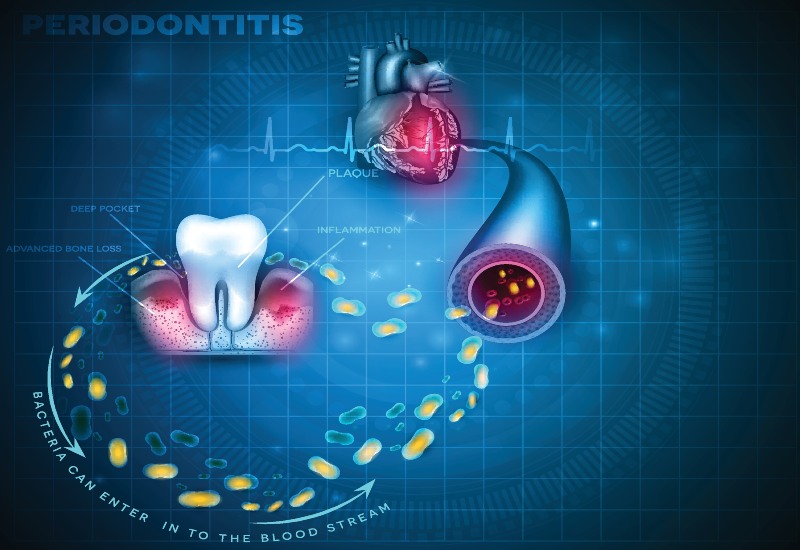
Gum disease, also known as periodontal disease, starts as a mild inflammation called gingivitis. If you notice red, swollen, or bleeding gums while brushing, you are likely seeing the early signs of this condition. When left untreated, gingivitis advances into periodontitis. This more severe form of gum disease causes the gums to pull away from the teeth, creating deep pockets where dangerous bacteria thrive and multiply. At the same time, heart disease remains a leading cause of health complications worldwide. It encompasses various conditions affecting the heart’s function and blood vessels. For decades, researchers noticed that patients with severe periodontal disease frequently suffered from cardiovascular issues, prompting extensive studies to determine exactly why this happens.
The Connection Between Oral Health and Heart Disease
The primary connection between oral health and heart disease comes down to one major factor: inflammation. Gum disease is fundamentally an inflammatory response to bacterial infection. When your gums are constantly inflamed, your body remains in a state of high alert. Chronic inflammation anywhere in the body places stress on your cardiovascular system. Inflammatory markers travel from your mouth through your blood vessels, contributing to arterial hardening. This condition, known as atherosclerosis, narrows the arteries and restricts blood flow, forcing your heart to work much harder to pump blood effectively.
How Does Gum Disease Affect the Heart?
To understand exactly how gum disease affects the heart, we need to examine how bacteria move through the body. The mouth is full of bacteria, both good and bad. When you have periodontitis, the bad bacteria multiply rapidly. Routine activities like chewing food or brushing your teeth can cause these bacteria to enter your bloodstream through microscopic cuts in your compromised gum tissue. Once these oral bacteria enter the bloodstream, they can travel directly to the heart. They can attach fatty plaques in the blood vessels, increasing the plaque size and making blood clots more likely. Additionally, these bacteria can sometimes attach to the inner lining of the heart itself, leading to a serious infection called endocarditis.
Can Gum Disease Cause Heart Problems?
Many patients ask: Can gum disease cause heart problems directly? While medical experts hesitate to say that gum disease is a direct, isolated cause of heart attacks, there is a strong and undeniable correlation. People with moderate to severe gum disease are at a significantly higher risk of experiencing heart attacks, strokes, and other cardiovascular events compared to those with healthy gums. It is best to view gum disease as a serious risk factor. Just like high blood pressure, smoking, and high cholesterol elevate your risk for cardiovascular issues, severe periodontal disease places additional and unnecessary strain on your heart.
Other Health Risks Linked to Poor Gum Health
The link between gum disease and heart health is just one part of the puzzle. Poor oral hygiene has been tied to several other systemic health issues. For instance, diabetes and gum disease share a two-way relationship. High blood sugar can increase the risk of gum infections, while severe gum disease makes it much harder for diabetic patients to control their blood sugar levels. Bacteria from the mouth can be inhaled into the lungs, increasing the risk of respiratory infections like pneumonia.
Can Treating Gum Disease Improve Heart Health?
The good news is that the damage is often manageable. So, can treating gum disease improve heart health? Absolutely. By eliminating the source of the infection in your mouth, you significantly reduce chronic inflammation throughout your body. Professional dental treatments, such as deep cleaning (scaling and root planing), remove tartar and bacteria from below the gum line. As your gums heal and the inflammation subsides, the burden on your immune and cardiovascular systems decreases. Regular maintenance and improved daily habits keep these risks at bay.
Protecting Your Gums to Support Heart Health
Maintaining optimal oral hygiene is your first line of defense. Start by brushing your teeth twice a day with fluoride toothpaste and a soft-bristle brush. Flossing daily is equally crucial, as it removes the plaque and bacteria hidden between your teeth that a toothbrush cannot reach. Diet also plays a role. Limit sugary snacks and acidic beverages, which feed the harmful bacteria in your mouth. Drinking plenty of water throughout the day helps wash away food particles and keeps your mouth hydrated. Most importantly, do not ignore the early warning signs of gum disease, such as tender or bleeding gums.
Why Choose Us?
At Walnut Creek Dental, we focus on comprehensive care that looks at the big picture of your overall well-being. Our experienced team uses advanced technology to detect gum disease in its earliest stages. We provide personalized treatment plans designed to halt the progression of periodontal disease, helping you achieve a healthy smile while supporting your systemic health. We take the time to educate our patients, ensuring you have the tools and knowledge necessary to maintain your oral hygiene at home.
Take Charge of Your Dental and Cardiovascular Health
Protecting your smile is a critical step in protecting your life. Understanding the link between your gums and your cardiovascular system helps you make informed decisions about your daily habits and medical care. Do not wait until your gums are painful or bleeding to seek professional help. If you live in or around Millersburg, OH, our team at Walnut Creek Dental is here to provide exceptional, compassionate periodontal care. Schedule your exam with us today and take a proactive step towards a healthier mouth and a stronger heart.
Frequently Asked Questions
To help you better understand the critical connection between your oral hygiene and your systemic health, we have compiled answers to the most common questions our patients ask. Managing periodontal disease is more than just preserving your smile. It is a vital component of protecting your long-term wellness. Below, we discuss how gum health affects your body and what you can do to maintain optimal balance.
What Are the First Signs of Gum Disease?
The earliest signs include red, swollen, or tender gums that bleed easily when you brush or floss. You might also notice persistent bad breath or a bad taste in your mouth.
How Often Should I Visit the Dentist to Prevent Gum Disease?
Most dentists recommend a professional cleaning and examination every six months. However, if you have a history of periodontitis or heart issues, your dentist may suggest visiting every three to four months for closer monitoring.
Is Gum Disease Reversible?
In its earliest stage (gingivitis), gum disease is entirely reversible with a professional cleaning and excellent at-home care. Once it progresses to periodontitis, the damage to the bone and tissues cannot be fully reversed, but the disease can be effectively managed and halted with proper treatment.