
How To Extend The Life Of Your Dental Crowns With Proper Care
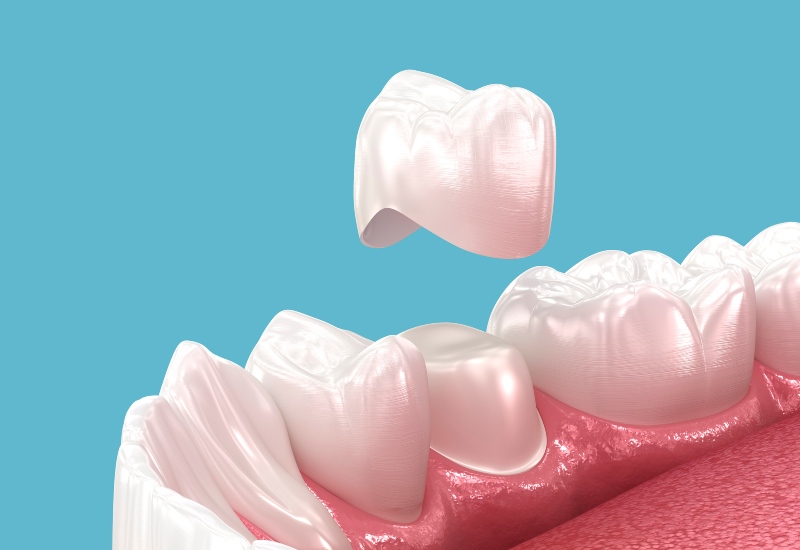
Dental crowns provide the perfect solution to restore damage or weakened teeth, protecting them while providing a natural look and function. Whether you have a temporary crown or a permanent one, it’s essential to properly care for them to maintain and boost your overall oral health. Below, Walnut Creek Dental explores everything you need to know about dental crown care, including tips to protect your crown and keep your smile healthy and beautiful. Contact us to learn more.
Maintain Excellent Oral Hygiene
The foundation of dental crown care starts with practicing excellent oral hygiene. While the crown itself is not susceptible to decay, the underlying tooth and surrounding gums must remain healthy to support the crown. You can reduce the risk of gum disease and decay around the base of your dental crown by keeping up a positive oral care routine. Some of the best ways to maintain excellent oral hygiene include:
- Brush twice daily: Use a soft-bristled toothbrush and fluoride toothpaste to gently clean your teeth and gums, ensuring you reach all surfaces of the tooth and the crown.
- Floss daily: Flossing helps remove food particles and plaque that get stuck between your teeth. If you have trouble maneuvering around your crown, use a floss threader or specialized dental floss.
- Rinse with mouthwash: Antibacterial mouthwash can help reduce bacteria and maintain gum health, further supporting the stability of your crown.
Avoid Hard, Sticky, or Crunchy Foods
To prevent damage to your crown, be cautious with your diet, especially when eating hard, sticky, or crunchy foods. Being selective with your food choices can protect the integrity of your crown and prevent costly repairs. Hard and sticky foods often put excessive pressure on crowns or can dislodge them entirely. You should:
- Avoid chewing ice, nuts, or hard candies, as these can cause cracks or chips in your crown.
- Limit sticky foods, such as caramel and taffy, which can pull a crown loose.
- Be mindful when eating crunchy foods like popcorn or hard fruits to avoid unnecessary stress on the crown.
Wear a Nightguard if You Grind Your Teeth
Bruxism, or teeth grinding, can happen without your knowledge, significantly damaging your dental crown over time. If you grind or clench your teeth while sleeping, using a custom nightguard is essential. A nightguard cushions your teeth, reducing the pressure and friction exerted on your dental crown. Consult your dentist for a properly fitted nightguard that offers the best protection.
Be Mindful of Staining Agents
While most crowns are made from stain-resistant materials like porcelain, they are not entirely immune to discoloration. If you indulge in items that stain your teeth, consider rinsing your mouth or brushing your teeth afterward to minimize potential staining. To keep your crown looking natural and bright, we recommend avoiding or limiting exposure to common staining agents such as:
- Coffee, tea, and red wine
- Dark-colored sauces (e.g., soy sauce, tomato-based sauces)
- Tobacco products
Don’t Use Teeth as Tools
You should never use your teeth to bite your nails, open packages, or hold objects. This is a harmful habit that can weaken or damage your dental crown. Remember that crowns are designed for chewing food, not performing tasks that require excessive force. Always use the appropriate tools for non-eating purposes, and treat your crown with care.
Regular Dental Checkups and Cleanings
Regular dental visits are the best way to help maintain the health of your mouth. We can identify any potential dental issues and check your crown. Consistent dental visits ensure your crown remains in excellent condition and help prevent potential complications. During these appointments, your dentist will:
- Examine your dental crown for any signs of wear or damage.
- Evaluate the health of the underlying tooth and surrounding gums.
- Perform professional cleanings to remove tartar and plaque buildup.
What to Expect and How to Protect Your Crown
After getting a dental crown, it’s normal to experience some sensitivity or mild discomfort, especially in the first few days. The best ways to protect your crown include:
- Manage sensitivity: Use toothpaste designed for sensitive teeth and avoid extremely hot or cold foods and beverages.
- Be gentle with temporary crowns: If you’re wearing a temporary crown while waiting for the permanent one, avoid chewing on that side of your mouth and follow your dentist’s instructions for care.
- Reach out: Always contact your dentist if you experience persistent pain or notice any issues with your crown.
Call Walnut Creek Dental
Walnut Creek Dental provides complete dental solutions for our patients. We help patients understand the vitality of caring for dental crowns. Our team wants to help protect your crown and preserve your radiant smile. If you have any questions or concerns about caring for a dental crown, we are here for you. Schedule your appointment in Millersburg, OH.
Frequently Asked Questions
- How long do dental crowns last? Dental crowns can last decades with the proper care. We advise regular dental checkups and maintaining good oral hygiene.
- What if my crown feels loose or falls out? If your dental crown is loose or falls out, reach out to us immediately. We will re-cement or replace the crown. Do not chew on the affected tooth until it’s fixed.
- Can a crowned tooth decay? Yes, the underlying tooth is still susceptible to decay if you have poor oral hygiene. It’s vital to stay on top of your oral hygiene routine.
Is it normal for a crown to feel sensitive? Yes, mild sensitivity is common shortly after placement, but persistent sensitivity should be evaluated by your dentist.