
How to Identify and Treat Tooth Abscesses
How to Treat Tooth Abscess Symptoms
A severe toothache can completely ruin your day, making it hard to eat, sleep, or focus on anything else. While some dental pain stems from mild sensitivity or a small cavity, intense and throbbing pain might point to a much more serious problem. A tooth abscess is a severe infection that requires prompt professional care to resolve. Understanding the warning signs can make a huge difference in your recovery. Delaying care often leads to worse pain and potential health complications that extend far beyond your mouth. This guide will walk you through everything you need to know about this painful condition. You will learn about tooth abscess symptoms, the main causes, and the best ways to get your smile back to full health.
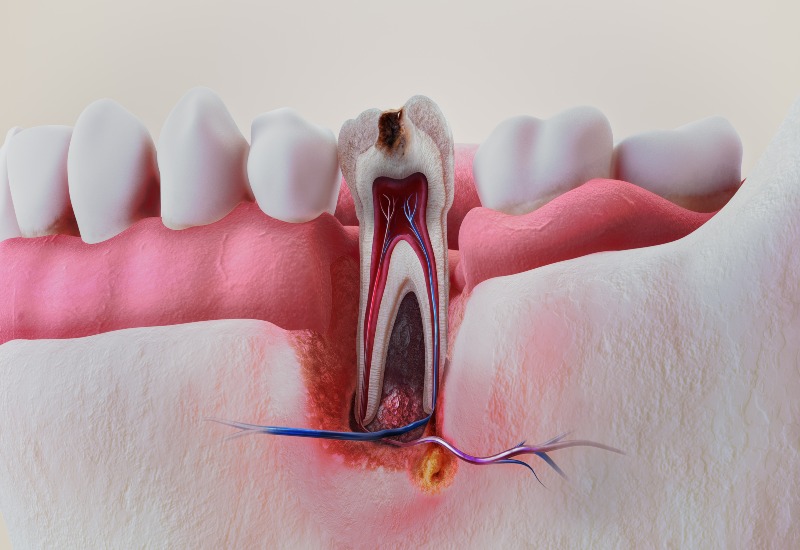
What Is a Tooth Abscess?
A tooth abscess is a pocket of pus that forms inside the teeth, in the gums, or in the bone that holds the teeth in place. It happens when a bacterial infection takes hold in your mouth. The infection causes a buildup of pus, leading to intense pressure and pain. There are two main types: a periapical abscess, which occurs at the tip of the tooth’s root, and a periodontal abscess, which occurs in the gums next to a tooth root. Both types require immediate dental attention.
Common Causes of a Tooth Abscess
Bacteria naturally exist in your mouth. When these bacteria enter your tooth or the surrounding gum tissue, an infection begins. Some of the most common causes of tooth abscesses include:
- Severe tooth decay: A deep cavity that goes untreated allows bacteria to reach the tooth’s inner pulp.
- Cracked or broken teeth: Physical trauma can create openings in the tooth enamel, giving bacteria a direct path into the tooth.
- Gum disease (periodontitis): Advanced gum disease causes the gums to pull away from the teeth, creating deep pockets where food and bacteria get trapped.
- Poor dental habits: Failing to brush and floss regularly increases your risk of severe decay and gum infections.
Tooth Abscess Symptoms to Watch For
Recognizing the problem early is the best way to avoid severe complications. The most prominent symptoms of a tooth abscess usually involve intense, persistent pain that can radiate to your jawbone, neck, or ear. Other common symptoms include:
- Extreme sensitivity to hot and cold temperatures
- Pain when chewing or biting down
- Swelling in your face or cheek
- Red, swollen, and tender gums
- A foul taste or bad odor in your mouth
- Difficulty swallowing or breathing
How to Identify a Tooth Abscess Early
Knowing how to identify a tooth abscess before it becomes a massive problem can save your tooth. Pay close attention to sudden changes in your mouth. If you notice a pimple-like bump on your gums, this is a major red flag. This bump is often a sign that pus is trying to drain. You might also notice that a specific tooth feels slightly elevated or loose compared to the surrounding teeth. If you experience these signs along with a sudden fever or swollen lymph nodes under your jaw, the infection is actively spreading.
Tooth Abscess Treatment Options
You cannot cure an abscessed tooth at home. You need a dentist to remove the infection and relieve your pain. Professional tooth abscess treatment options depend on the severity of the infection and the condition of the affected tooth.
- Draining the abscess: The dentist makes a small incision into the abscess to allow the pus to drain, then washes the area with salt water.
- Root canal therapy: This procedure removes the infected pulp from inside the tooth. The dentist cleans, fills, and seals the inner chamber, often capping the tooth with a crown to restore its strength.
- Tooth extraction: If the tooth is severely damaged and cannot be saved, the dentist will remove it to allow the abscess to drain and heal.
Antibiotics for Tooth Abscess: When They Are Needed
Many people assume a quick pill will solve the problem. However, antibiotics for tooth abscess treatment are not always required. A dentist will usually only prescribe antibiotics if the infection has spread beyond the immediate area or if you have a weakened immune system. The medication helps stop the bacteria from spreading to nearby teeth, your jaw, or other parts of your body. It is important to remember that antibiotics alone will not cure the underlying source of the abscess. You still need a dental procedure to remove the infected tissue.
What Happens If a Tooth Abscess Is Left Untreated?
Ignoring dental pain is incredibly dangerous. If an abscess ruptures on its own, the pain might decrease significantly, but the infection remains. The bacteria will continue to destroy the surrounding bone and tissue. You will likely start seeing signs of dental abscess infection spreading to your jaw, head, or neck. In severe cases, the bacteria can enter your bloodstream, leading to sepsis. This is a life-threatening condition that requires emergency hospitalization.
Preventing Dental Abscesses
Keeping your teeth and gums healthy is the best way to avoid an infection. Preventing dental abscesses requires a consistent daily routine. Brush your teeth at least twice a day with fluoride toothpaste. Floss daily to remove plaque and trapped food particles from between your teeth. Limit your intake of sugary foods and drinks, which feed the bacteria that cause cavities. Most importantly, visit your dentist regularly for professional cleanings and routine checkups.
Why Choose Us?
At Walnut Creek Dental, we understand how stressful and painful a dental emergency can be. Our team is dedicated to providing fast, compassionate care to get you out of pain as quickly as possible. We use advanced diagnostic tools to pinpoint the exact cause of your discomfort, and we discuss all available treatment options with you before moving forward. Patient comfort is our top priority, and we work hard to create a calm, welcoming environment for everyone who walks through our doors.
Get Relief From Dental Pain Today
Living with tooth pain is miserable, and waiting for it to go away on its own is a dangerous gamble. An abscess requires immediate professional intervention to protect your smile and your overall health. If you are experiencing any of the symptoms mentioned above, do not wait. Contact Walnut Creek Dental in Millersburg, OH, today to schedule an appointment and let our experienced team help you find lasting relief.
Frequently Asked Questions
Understanding the urgency and nature of dental emergencies can help you make informed decisions when every minute counts. To help clarify common concerns regarding abscesses and tooth pain, we have compiled answers to the most pressing questions our patients ask. These responses are designed to guide you through identifying risks and understanding the necessary steps for professional treatment and recovery.
Can A Tooth Abscess Go Away Without Treatment?
No. Abscess will not heal on its own. Even if the abscess bursts and the pain is resolved, the bacterial infection remains and requires professional dental treatment.
How Long Does It Take For Antibiotics to Work on a Tooth Infection?
If your dentist prescribes antibiotics, you should start feeling relief within two to three days. However, you must finish the entire prescription to ensure the infection is fully controlled.
Is a Tooth Abscess Considered a Dental Emergency?
Yes. Because the infection can spread rapidly to your jaw, neck, and bloodstream, an abscess requires urgent care. Contact your dentist immediately if you suspect you have one.