
How to Care for Your Teeth After Tooth Extraction
Tooth Extraction Aftercare: How to Maximize Your Recovery
Undergoing a dental procedure can be stressful for anyone, but an extraction raises specific concerns. Whether it is a damaged molar or a troublesome wisdom tooth, removing a tooth is sometimes necessary to preserve your overall oral health. For most patients, the recovery process is straightforward. However, if you are living with diabetes, the healing journey requires a bit more attention and strategy. Diabetes affects how your body heals, fights infection, and manages inflammation. This doesn’t mean you can’t have a successful, smooth recovery. It simply means your tooth extraction aftercare plan needs to be followed precisely. By understanding the link between your blood sugar and oral health, you can speed your recovery and get back to your daily routine without complications. At Walnut Creek Dental, we want our patients to feel confident and safe during their treatment. Here is everything you need to know about managing your recovery effectively.
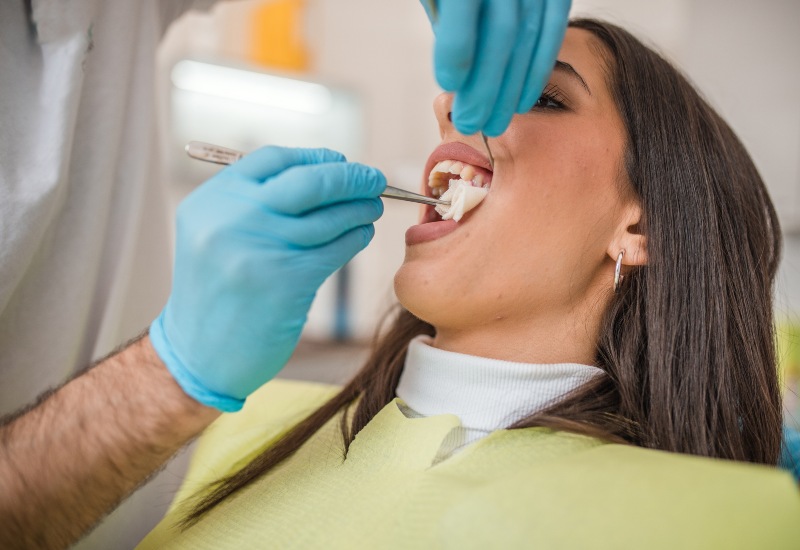
Why Proper Aftercare Matters More for Patients
The body is a complex machine, and diabetes affects nearly every part of the system. When you have a tooth removed, your body immediately kicks into high gear to form a blood clot and begin repairing the tissue. For patients with diabetes, this process faces hurdles. High blood glucose levels can stiffen arteries and narrow blood vessels. This restricts the flow of oxygen and nutrients to the wound site, which are essential for rebuilding tissue. Consequently, the healing process can be slower. Furthermore, diabetes can impair the immune system, making you more susceptible to infections at the extraction site. This is why following specific tooth extraction aftercare instructions is not just a suggestion. It is a vital part of your health management.
Control Blood Sugar to Support Healing
The most critical factor in your recovery is your blood glucose level. Before your appointment at Walnut Creek Dental, ensure your numbers are within a safe range. Uncontrolled blood sugar acts as a barrier to healing. Stress from the procedure itself can sometimes cause a spike in blood sugar levels. We recommend monitoring your levels closely in the days leading up to the extraction and immediately after. If your blood sugar is well-managed, your healing timeline will look much like that of a non-diabetic patient. If levels fluctuate, the wound may remain open longer, increasing the risk of dry socket or bacterial entry.
Maintain Excellent Oral Hygiene
Keeping your mouth clean is non-negotiable, but you must be gentle. Vigorous cleaning can dislodge the blood clot that forms in the socket. This clot is the foundation of your healing; losing it can lead to a painful condition called dry socket. Here is how to balance hygiene with safety:
- Brush Gently: Continue to brush your remaining teeth twice a day. However, avoid the extraction site directly for the first 24 to 48 hours.
- Saltwater Rinses: After the first 24 hours, gently rinse your mouth with warm salt water after meals. This helps kill bacteria and soothe the tissues without the harshness of commercial mouthwash.
- No Spitting: When you rinse, let the water run out of your mouth over the sink rather than forcefully spitting. The suction created by spitting can pull the clot loose.
Watch for Signs of Gum Infection Around the Extraction Site
Because diabetes can slow down the immune response, you need to be vigilant about monitoring the wound. Some swelling and minor discomfort are common aftercare symptoms following tooth extraction. However, you should contact us if you notice signs that indicate the healing has stalled or an infection has taken root. Watch for these warning signs:
- Swelling that worsens after the third day.
- A fever develops days after the procedure.
- Persistent throbbing pain that is not relieved by prescribed medication.
- A foul taste in your mouth or discharge (pus) coming from the socket.
Manage Dry Mouth to Prevent Decay After Extraction
Many people with diabetes suffer from dry mouth. Saliva is your mouth’s primary defense system; it washes away food particles and neutralizes acids produced by bacteria. When saliva flow is low, the risk of infection and cavities on neighboring teeth increases. After an extraction, a dry mouth can make the wound feel irritated and slow down tissue regeneration. Stay hydrated by drinking plenty of water throughout the day. If you struggle significantly with dry mouth, ask your dentist about saliva substitutes or moisturizing mouth gels that can keep the oral environment balanced while you heal.
Avoid Smoking to Protect Healing Tissues
If you smoke, the best thing you can do for your extraction site is to pause the habit. Nicotine constricts blood vessels, which further compounds the circulation issues already caused by diabetes. Smoking also introduces heat and chemicals directly to the raw wound. Additionally, the physical act of inhaling on a cigarette creates suction in the mouth, which is a leading cause of dry socket. For the best tooth extraction aftercare, avoid smoking for 48 to 72 hours after the procedure or longer, if possible.
Schedule Regular Dental Checkups for Monitoring
Recovery doesn’t end when the pain stops. Because of the complexities of diabetes, follow-up appointments are crucial. These visits allow your dentist to monitor soft-tissue healing and ensure the bone beneath is remodeling correctly. Regular checkups at Walnut Creek Dental also provide an opportunity to discuss long-term replacement options for the missing tooth, such as bridges or dental implants, and how diabetes might affect those choices.
Support Healing With a Balanced Diet
Nutrition plays a massive role in how quickly you bounce back. Your body needs fuel to repair tissues, but you also need to manage your blood sugar. Navigating a tooth extraction aftercare diet while diabetic requires planning.
- What to Eat: Focus on soft, nutrient-dense foods that won’t irritate the wound. This includes options such as scrambled eggs, yogurt, avocados, and other soft-cooked foods.
- What to Avoid: Any hard foods, like chips, nuts, or popcorn, can get stuck in the socket. You should also avoid spicy/acidic foods to prevent stinging, and use straws during the first week of recovery.
Frequently Asked Questions (FAQs)
If you have further questions about aftercare, your healing process, or complications, here is a place to start for answers. Feel free to contact us if you don’t see what you’re looking for or have an immediate concern that would require you to come in for a visit.
How is wisdom tooth extraction aftercare different for diabetics?
Aftercare for wisdom tooth extraction is very similar to standard extractions, but because wisdom teeth are often larger or impacted, the wound is deeper. This means healing can take longer. Diabetics should be extra cautious about blood sugar control during the extended recovery period following wisdom tooth extraction.
I had several teeth removed. Does that change my aftercare?
Multiple tooth extraction aftercare generally requires more rest. Your body is working harder to heal multiple sites simultaneously. Monitor your glucose levels frequently, as the physical stress on your body will be higher than with a single extraction.
Can I eat my regular diabetic diet immediately?
You may need to modify the texture of your tooth extraction aftercare food, but the nutritional principles remain the same. Avoid replacing your standard meals with high-carb soft foods like mashed potatoes or ice cream, as these can spike your blood sugar and hinder healing. Stick to low-glycemic soft options.
Schedule Your Appointment Today
Managing diabetes is a full-time job, and adding a dental procedure to the mix can feel overwhelming. However, with preparation and the right tooth extraction aftercare strategy, you can heal safely and quickly. The combination of blood sugar control, excellent hygiene, and a proper diet is your best defense against complications. If you are in Millersburg, OH, and have questions about an upcoming procedure or need guidance on managing your oral health with diabetes, our team is here to help. Contact Walnut Creek Dental today to schedule your consultation.